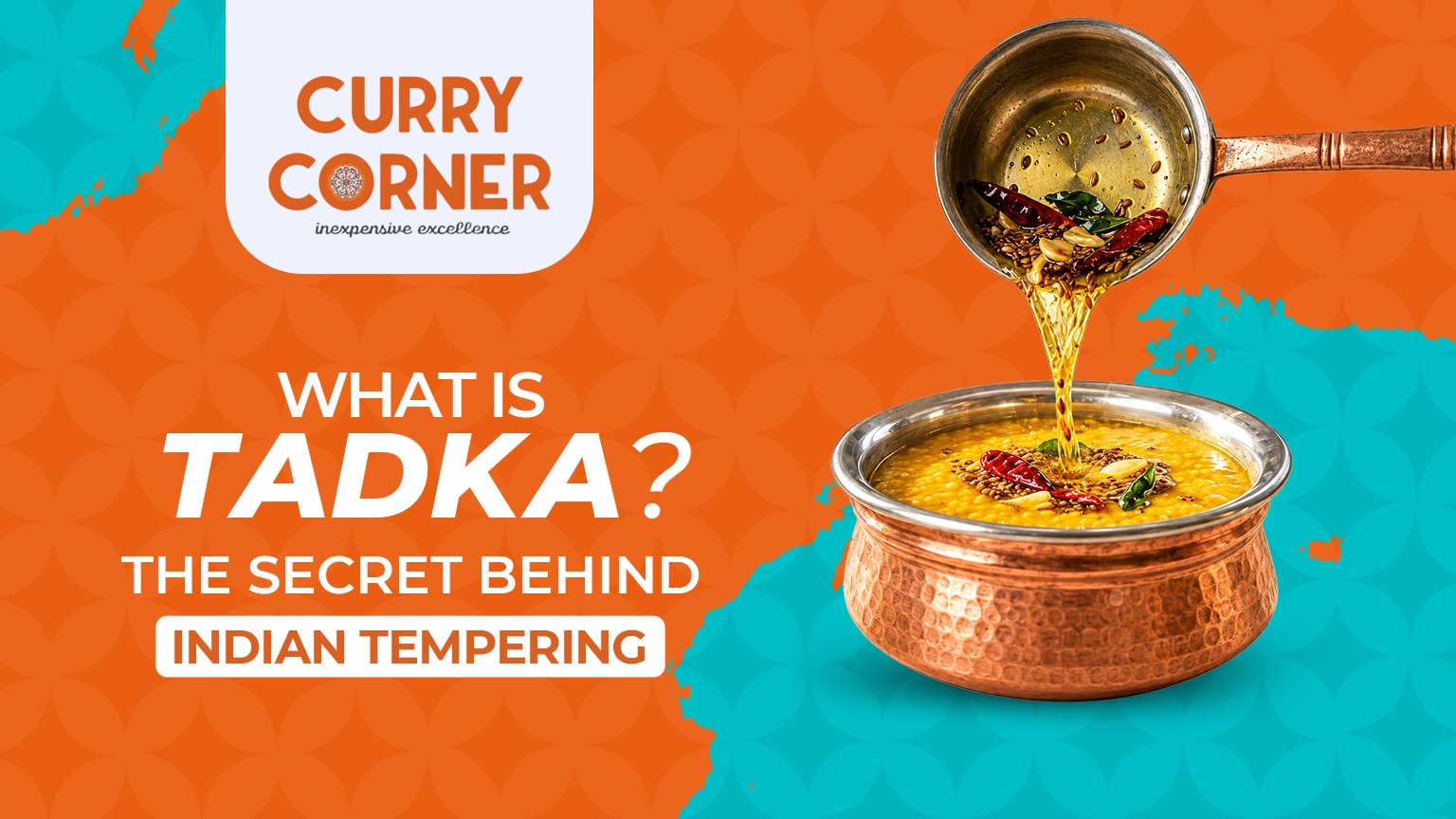
This is tadka, a traditional way of cooking which played an important role in providing the unique taste, smell and flavor of South Asian Cuisine. Frying the whole spices and aromatics in melted ghee or hot oil allows the extraction of the essential oils from the spices, a process which cannot be done just by simmering them. The main point in this process is in the understanding of the power of using fats in transportation of flavors to all ingredients. It could be poured as a fiery garnish on tasty lentils or even as the basis of curries.
What Is Tadka in Cooking?
The process of tempering in South Asian cuisine involves sizzling of the spices and aromatics in hot fat to unlock the aromatic flavor compounds. Heating the spices like cumin seeds, garlic and dried chilies in ghee or oil releases a whole variety of aromatic flavor compounds that are otherwise not released in the process of raw cooking. The process of tempering helps in releasing the hot fat in which the aromatic compounds get dissolved and then these fats are added directly to prepared dishes. Thus, this process adds aroma and depth to the flavor of the food items.
Why Is Tadka Also Called Indian Tempering?
Tempering in Western cooking refers to achieving equilibrium of temperatures by heating up the eggs and chocolates. Tempering in South Asian cooking means heating up the spices in hot fat for unlocking the lipid soluble flavor compounds. At Curry Corner , the process of tempering is used in order to provide lentils, curries and rice with aroma, warmth and authenticity without burning the spices.
Is Tadka the Same as Tarka, Chhonk, or Baghaar?
Yes, these are two words for the exact same fundamental process in South Asian cooking. “Tadka” and “Tarka” are more commonly used in North India and Pakistan. “Chhonk” is also used in Hindi-speaking central belts of India. In Urdu or Bengali cooking, the process is referred to as “Baghaar” or “Phoorn”. Moreover, the South Indian languages use words “Thalippu” or “Oggarane”. Although there may be minor differences in terms of dialects, all these words denote exactly the same cooking process.
Why Is Tadka Important in Indian Cuisine?
Tempering is the key to South Asian cuisine and it is the one that makes ordinary food products become delicacies. Without this important procedure, food products like boiled lentils, stewed vegetables, and rice dishes will lack aromatic complexity and intense flavors. This procedure enables us to heat up the fat and to release the aromatic oils from whole spices.
How Does Tempering Release the Flavor of Indian and Pakistan Spices?
Whole spices consist of volatile flavor compounds enclosed in the cells of the spices. Sizzling the spices in hot fat breaks up these cells and makes the hydrophobic flavor compounds dissolve easily in the ghee or oil. The boiling process, being water based, is not able to extract the fat-soluble flavor compounds. As a result, the spices sizzled in hot fat give off intense top notes and rich aromas.
How Does Tadka Change the Taste and Aroma of Food?
Adding the hot and flavored fat to the food item immediately transforms the basic flavor profile of the item. The sudden rise in the temperature unlocks and intensifies the dormant flavors resulting in:
- Aromatic Intensity: Hot fat vaporizes volatile spice compounds, filling the kitchen with an irresistible, rich scent.
- Textural Contrast: Crisped garlic, browned onions, and whole toasted seeds add delightful crunch to soft dishes.
- Balanced Flavor: The warmth of tempered fat rounds out sharp acidity, mellows bitterness, and ties ingredients together.
Why Do Indian Chefs Use Hot Oil or Ghee for Tempering?
Professionals employ hot fat for cooking since ghee or oil is better flavor carrier compared to any other liquid. Ghee or oil has the ability to heat up to higher temperatures and thus helps in carrying out Maillard reactions for browning garlic and toasting the seeds. Moreover, fat coats our mouth as we consume the food product and extends the experience of the spice essence giving a silky feel in the mouth.
What Ingredients Are Used to Make Traditional Tadka?
Authentic tempering is made with an assorted blend of strong whole spices, dried aromatic herbs and moist fresh aromatic spices. The use of fresh and quality ingredients will make sure you get a maximum of aroma without any trace of smoke or bitter smell. When the whole spices crackle in the hot fat, their natural oils are infused into the liquid, making a rich base. Mixing the earthy cumin seeds, pungent mustard seeds, fresh curry leaves and aromatic garlic turn an ordinary dish into an extraordinary one by adding flavors and aromas of South Asian cuisine.
Essential Whole Spices Used in Indian Tempering
Whole spices are the foundation of any classic tempering combination, bringing immediate earthiness, visual appeal and warmth. Cooking of these dried spices in fat makes an expansion of the natural oils of spices, adding aromatic essence to the whole pan. This essence is typical of regional stews and side dishes.
Cumin Seeds, Mustard Seeds, and Dried Red Chilies
The earthy aroma is achieved due to cumin seeds, the nutty flavor is extracted from the black mustard seeds, the smoky flavor is provided by the dried red chilies. Dropped in the hot fat, the natural aromatic oils of spices develop within several seconds only.
Curry Leaves, Asafoetida, and Fenugreek Seeds
The herbal notes come from the curry leaves, savory garlic-onion aroma from asafoetida and subtle, pleasant bitterness from fenugreek seeds. Anyone having a glance at our entire Menu would be able to see the role of these spices in enhancing the classic regional recipes.
Fresh Aromatics That Enhance Tadka Flavor
The fresh vegetables provide us with sweetness, moisture, pungent aromatics and crunchiness when being flash fried in the hot oil. The addition of fresh ingredients after popping the spices prevents the burning while letting the natural juice of fresh ingredients to be caramelized in the fat base.
Garlic, Ginger, Onions, and Green Chilies
The finely sliced garlic will be sweetened by browning, fresh ginger gives a sharp warmth, the chopped onions give richness and green chilies provide a bright heat. Flash-fried, the fresh ingredients will give the opportunity of locking their natural juice and infusing the hot oil base.
Which Is Better for Tadka: Ghee or Cooking Oil?
Depending on the taste preferences of the dish, either pure ghee or cooking oil can be used for cooking. The rich nutty flavor of ghee makes the curries more comfortable. Cooking oils are neutral in taste and have high smoke points; thus, they are perfect for making crispy tempering in South Indian cuisine and chutneys.
| Feature | Pure Clarified Ghee | Neutral Cooking Oil |
| Aromatic Impact | Deep, golden, buttery aroma that adds luxurious warmth | Clean, subtle finish that lets pure spice flavors shine |
| Heat Tolerance | High smoke point (250°C / 482°F) for deep, slow tempering | High smoke point (200°C / 400°F) ideal for quick flash-sizzling |
| Culinary Pairings | Rich Dal Tadka, velvety curries, and comforting khichdi | Crisp South Indian sambar, fresh coconut chutneys, and stir-fries |
| Best Suited For | Authentic, traditional home-style and royal regional feasts | Light daily meals, modern healthy cooking, and vegan diets |
How to Make Tadka at Home: Step-by-Step Guide
Achieving the perfect sizzle requires focus, quick timing and organized preparation before lighting the burner. Having the ingredients prepared near the stove helps in easy execution without burning delicate spices.
Step 1: Choose the Right Oil or Ghee
The pure ghee is used for rich North Indian dishes, the mustard oil for the sharp, earthy taste, the coconut oil for South Indian dishes and the neutral vegetable oil for light everyday meals. Selection of the fat defines the flavor base of your dish.
Step 2: Heat the Fat to the Right Temperature
The oil or ghee needs to be heated up on medium-high heat in a small pan. The fat should be shimmering; in case of heavy smoking, lower the temperature immediately to prevent the burning of delicate whole spices. The proper temperature control guarantees the smooth cracking and dissolving of internal oils of spices.
Step 3: Add Whole Spices in the Correct Order
Add hardy spices first – mustard seeds, cumin and dried chilies. Wait until mustard seeds crackle and pop, indicating that the internal oils have bloomed in the hot fat base. Spices should be added in proper sequence to prevent smaller seeds from burning before large ones release the aroma.
Step 4: Add Garlic, Chilies, and Other Aromatics
Sliced garlic, fresh ginger, green chilies and curry leaves need to be added next. They need to be stirred constantly for 30 seconds until garlic turns golden-brown and the aromatics become soft without becoming black. The quick stirring will help to distribute the heat evenly and to prevent the fresh moisture from sticking to the pan.
Step 5: Pour the Tempering Over Your Dish
Pour the steaming hot mixture over your prepared lentils or curry right away. Cover the pot with the lid tightly for two minutes in order to retain all the volatile aromas released by the spices.
How Do You Know When Tadka Is Ready?
The perfect tempering happens when the whole seeds pop, garlic becomes light golden in color, and the pleasant nutty aroma is fully formed. At this very moment the pan should be taken from the stove in order to preserve its sweet aromatic notes.
What Are the Different Types of Tadka in Indian Cooking?
Different tempering techniques are used in various regions depending on the agricultural production, climate peculiarities and taste preferences of the diners. Diners who visit our Gilbert Menu would be able to taste the recipes with typical regional spice blends.
North Indian Tadka: Cumin, Garlic, and Ghee
The Northern India style is focused on such ingredients as golden ghee, cumin seeds, garlic and onion to achieve rich flavors of the dish. This combination of spices creates a wonderful flavor profile for lentils and stews.
South Indian Tempering: Mustard Seeds and Curry Leaves
South Indian cuisine uses coconut oil, popping black mustard seeds, urad dal, dried red chilies and curry leaves. They add necessary crispy notes and freshness to the dishes like sambar and rice.
Pakistani-Style Tarka: Garlic, Chilies, and Aromatic Spices
The Pakistani style tempering is based on such ingredients as thinly sliced garlic, cumin seeds, round red chilies and red chili powder added right at the end. It gives the vibrant color and robust flavor to the dish.
What Is the Difference Between Tadka and Baghaar?
“Tadka” is usually used in Hindi and North Indian language, but “Baghaar” is the official term applied in Urdu language and used in Pakistan and Hyderabad. Both terms mean the same procedure of blooming of spices in hot fat.
Which Indian Dishes Commonly Use Tadka?
Even though the tempered oil is the base for most of the dishes in South Asia, there are some dishes that cannot be the same without tempering. In daily cooking and banquets the usage of hot spices and fat becomes the characteristic of the region.
Dal Tadka: How Tempering Enhances Lentil Dishes
Soft-cooked yellow lentils are the basis on which the taste of the dish can be created. The addition of hot ghee with cumin, garlic, and dry chilies on top of already cooked lentils allows creating the contrast of the flavors and achieving an amazing dish.
Tadka in Indian Curries and Vegetable Dishes
In the case of cooking vegetable stir-fries and potato specialties the tempering in the beginning forms the basis of the rich gravy dish, whereas the tempering in the end adds the bright accents and the visual effect.
How Tempering Adds Flavor to Rice and Chutneys
Mustard seeds and curry leaves put on top of the fresh coconut chutney make the dish spicy, and the tempering with cumin in ghee makes the rice with cumin out of plain basmati.
What Is the Difference Between Dal Tadka and Dal Fry?
Despite the similarity in the use of the products, the ways of preparation and tempering of the dishes are very different:
- Cooking Technique: Dal Fry cooks lentils directly inside a fried onion-tomato masala base, whereas Dal Tadka finishes plain boiled lentils with hot sizzling oil.
- Order of Tempering: Dal Fry uses early-stage base tempering; Dal Tadka applies a dramatic final top-pour just before serving.
- Texture & Body: Dal Fry offers a thicker, stew-like consistency, while Dal Tadka maintains distinct lentil grains with a silky surface sheen.
Tadka vs Masala: How Are They Different?
Tadka is the process of quick flash-frying of the whole spices in fat. Masala can mean either grounded spice blend or slow-cooked paste of onions, tomatoes and spices which is the basis of the thick gravy.
When Should You Add Tadka: Before or After Cooking?
Tempering in the beginning is done in order to form the fragrant base for rice or stews. Final tempering is the process of adding hot spice mix at the end of cooking.
Common Mistakes to Avoid When Making Tadka
Oil heats up fast, and the tempering procedure needs constant monitoring to prevent the destruction of delicate aromas of the spices. Constant observation of the pan can prevent the transformation of sweet aromatic spices into bitter ones.
Why Does Tadka Sometimes Taste Bitter?
The bitterness appears in case when the spices get burned in overheated oil. Garlic becomes bitter when it burns during frying. Fenugreek seeds become acrid when they get scorched. In order not to spoil your whole batch try to control the heat level in order to enjoy every dish from our Tempe Menu.
How Can You Prevent Spices and Garlic from Burning?
Having all the ingredients prepared in advance, place them right next to your stove before heating the fat. Dim the flame after putting the whole spices into it, fry the garlic gently and take the pan from the stove in case of burning any ingredients.
Experience Authentic Indian Flavors at Curry Corner in Arizona
If you are a home cook and want to find authentic inspiration in dishes, then you can try regional cuisines, where the dishes will come alive because of the classic cooking. Getting acquainted with the professionally balanced spice infusions helps to realize how tasty the traditional dishes are. The guests can enjoy our rich curries, aromatic rice and perfectly tempered lentil specialties.
Explore Traditional Indian and Pakistani Dishes in Tempe and Gilbert
Our Arizona locations showcase authentic culinary heritage, introducing guests to the regional South Asian recipes through the traditional ways of cooking and spice mixing.
Discover Curry Corner’s Vegetarian and Curry Options
From comforting vegetarian lentil recipes to rich aromatic meat curries, our menu features diverse options catering to any preference.
Explore the Curry Corner Menu Before Your Visit
Looking through our online menu allows the guests to take a look at our signature creations, house specialties and regional cooling pairings before coming to our restaurant.
Final Thoughts!
Mastery of spice blooming in hot fat introduces one to the authentic tastes. The understanding of the way how the heat extracts the delicate aromatic oils allows to transform simply stews and grains into vibrant dishes. Controlling the oil temperature, the sequence of the ingredients and frying time prevents the spices from burning. Feel free to Contact us today to learn more about our regional recipes!
Frequently Asked Question
Tadka releases essential oils from whole spices in hot fat, infusing dishes with deep aroma, vibrant flavor, and enhancing digestion effortlessly.
Yes, neutral cooking oils like mustard, coconut, or vegetable oil work brilliantly for tempering, offering a lighter alternative while preserving full spice aromas.
Whole spices are preferred because ground powders burn rapidly in hot oil; however, adding ground spices at low heat works when carefully monitored.
Absolutely. Traditional sattvic tempering uses cumin seeds, asafoetida, and ginger in hot ghee, delivering exceptional fragrance without relying on onions or garlic.
Tempering takes just 30 to 60 seconds. Whole spices sizzle and release fragrant oils quickly, requiring immediate removal from heat to avoid burning.