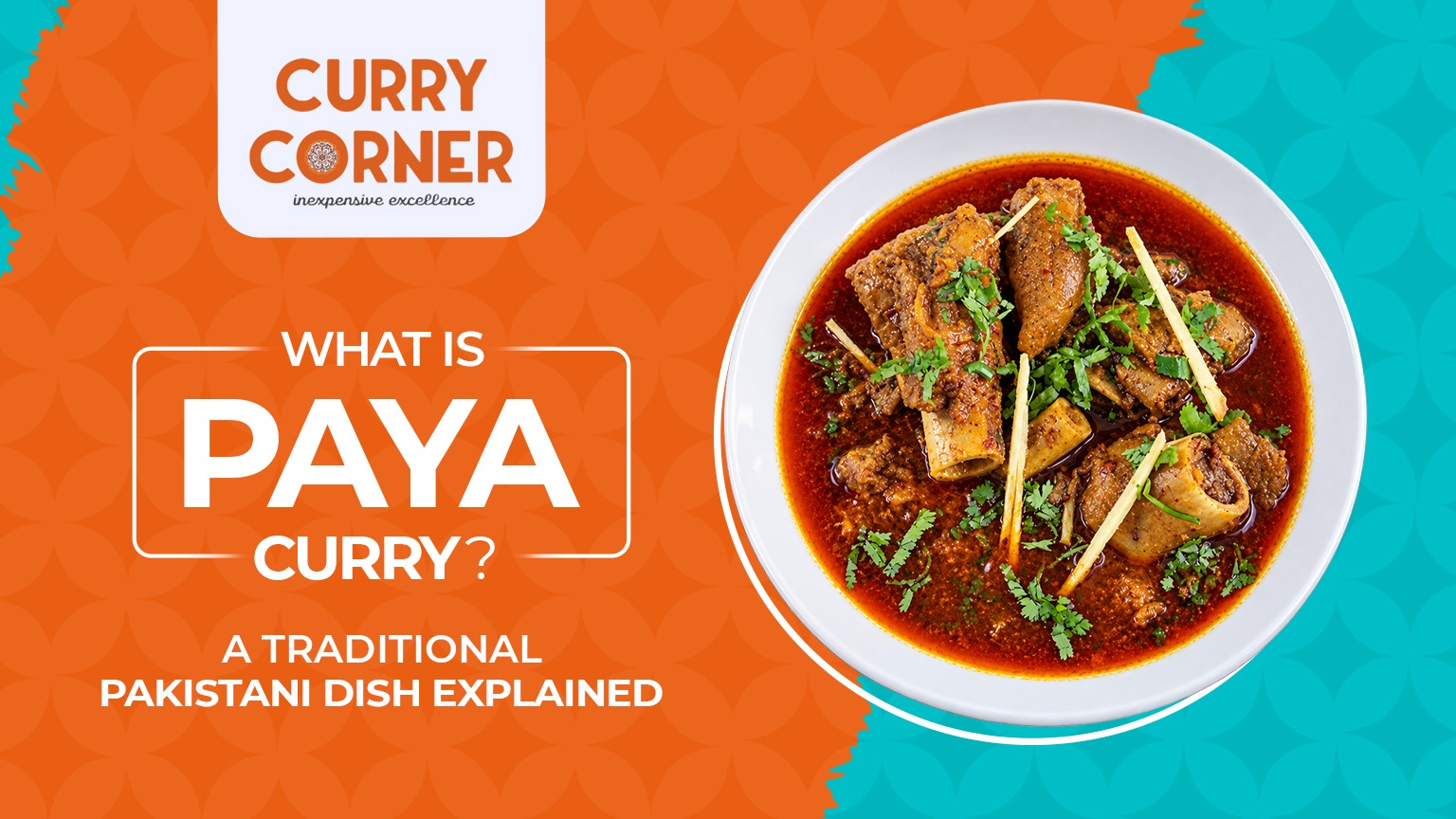
Paya curry is an ultimate masterpiece of South Asian cuisine renowned for its comforting nature. The exquisite dish implies long cooking of animal trotters until all the marrow becomes liquefied, creating a beautiful broth. Paya curry unites people with its delicious textures and strong aromas, being a joy to food lovers all over the world.
What Does Paya Mean in Urdu and Hindi?
The meaning of paya in etymology indicates the origin of the name as the feet of the animals such as goats, lambs, and cows. Hence, this direct translation can help in understanding how traditional recipes use the whole animal in preparing a dish.
Why Is Paya Curry So Popular in Pakistani Cuisine?
Appreciation of the comfort foods makes paya a respected part of the Pakistani Menu as a key point of any family gathering and festive weekends. It is one of the most prestigious dishes in Pakistan, representing hospitality and cultural culinary tradition. It is worth waiting for it on festive occasions and leisure days.
Key Ingredients in Traditional Paya
Knowing how to prepare the main ingredients for this dish properly will help to get that famous silkiness of broth. Freshly washed trotters of goat or cow will create the heavy base of the dish with lots of onion, garlic and ginger paste, which needs many hours of gentle heat to become ready.
Common Spices That Give Paya Its Flavor
Creating a warm dish requires the proper combination of garam masala and other seasonings that can help to cut the fatness of the meat. The use of cumin, coriander, turmeric, and black cardamom allows enhancing the flavors of the spices without covering the natural taste.
Flavor and Texture Explained
The sensory experience includes savory flavors with rich gelatinous textures that coat the mouth smoothly. Each bite will have marrow richness and warming spices that melt effortlessly in the mouth.
Is Paya Curry Spicy?
In comparison to traditional preparation that uses warming flavors of the ginger, paya Pakistani food tries to create a balanced taste depending on personal preferences. In this case, the spice mixture stimulates the taste buds without overwhelming the chilies.
The Origins and History of Paya
Tracing back through centuries, traditional Pakistani curry roots reveal a fascinating tale of resourcefulness originating in royal courts. Ancient kitchen cooks discovered long, slow simmering turned tough trotters into a rich healing broth favored by nobles. Over generations, this ingenious recipe traveled across households while maintaining its core identity.
Pakistani Paya vs Indian Paya: What’s the Difference?
It is interesting to compare how regional adaptations affect this dish since Pakistani paya and beef paya or goat stew have different spice combinations and different gravy thicknesses. Exploring our diverse Gilbert Menu reveals that while both traditions respect the trotters as the key ingredient, their flavor notes show the unique features of different cultures.
Traditional Slow-Cooked Method Step by Step
To achieve perfection and get all benefits of the dish, it is necessary to understand how to cook it properly, which is possible after knowing the correct preparation of the mutton paya. Firstly, the ingredients should be seared in oil, then trotters should be browned in it and water added for the all-day cooking.
How Long Does It Take to Cook Paya?
Understanding timing is crucial, as knowing how long to cook a goat paya feast helps home cooks plan schedules around an essential simmer. Traditional stovetop methods require patience to let collagen fully break down, though pressure cookers reduce duration. Adequate time ensures meat becomes fall-off-the-bone tender.
Tips for Getting a Thick, Flavorful Gravy
Mastering consistency is an art, and utilizing Pakistani traditional dishes heritage techniques alongside selections from our Tempe Menu is the ultimate trick for a velvety body. Allowing bones to simmer undisturbed releases natural starches and gelatin binding liquid into rich sauce. Low and steady heat prevents separation, resulting in cohesive gravy clinging to flatbreads.
Best Breads for Paya: Naan, Kulcha, and Roti
Getting this delicious and rich gravy requires a proper way to absorb it, so it is essential to find the right bread for the paya. Freshly made tandoori naan, soft kulchas, or flaky parathas will be an ideal way to soak the gelatinous broth. The delicate taste of yeast perfectly complements the intense marrow gravy.
Health Benefits of Bone Broth in Paya
Eating the paya curry benefits is extremely valuable because of high levels of collagen, amino acid, and mineral contents extracted from the bones. The rich broth is great for joint health and skin glow as well as promoting digestive processes.
Where to Eat Paya Curry in Tempe
Finding authentic spots can be challenging, but food enthusiasts seeking the best Pakistani restaurant near me in Arizona discover true satisfaction right in Tempe. Local eateries specializing in heritage cooking recreate deep, robust flavors of traditional stew. Savoring this dish at trusted local spots saves grueling kitchen preparation time.
Why Choose Curry Corner for Your Next Traditional Feast
When hunger pangs arise, there is nothing more exciting than enjoying the real flavors of Pakistan by visiting Curry Corner located in Arizona. We take pride in preparing all our dishes using traditional recipes that need hours of cooking to get the perfect texture. Be part of our dining adventure today and see why our guests always feel special in our warm environment.
The End Note!
We welcome everyone to experience true comfort foods from South Asia at our own local kitchen right in Tempe, Arizona. Come and Contact us today to enjoy the slow-cooked, nutrient-rich trotters along with our traditional bread.
Frequently Asked Questions
Yes, our paya curry is prepared strictly using certified halal meat and traditional preparation methods, ensuring it meets all dietary requirements for observant diners.
Traditional paya relies entirely on animal trotters to release natural gelatin and marrow, creating its signature rich broth; omitting them changes the authentic dish completely.
Thin broth usually results from insufficient simmering time or not using enough marrow-rich bones, which are essential for melting collagen into the gravy naturally.
The terms are often used interchangeably, but “siri” specifically refers to the head meat included alongside the trotters for an even richer culinary experience.
Slow-cooking bones releases high amounts of collagen, amino acids, and minerals, making this nutrient-dense broth exceptionally beneficial for joint health and skin vitality.