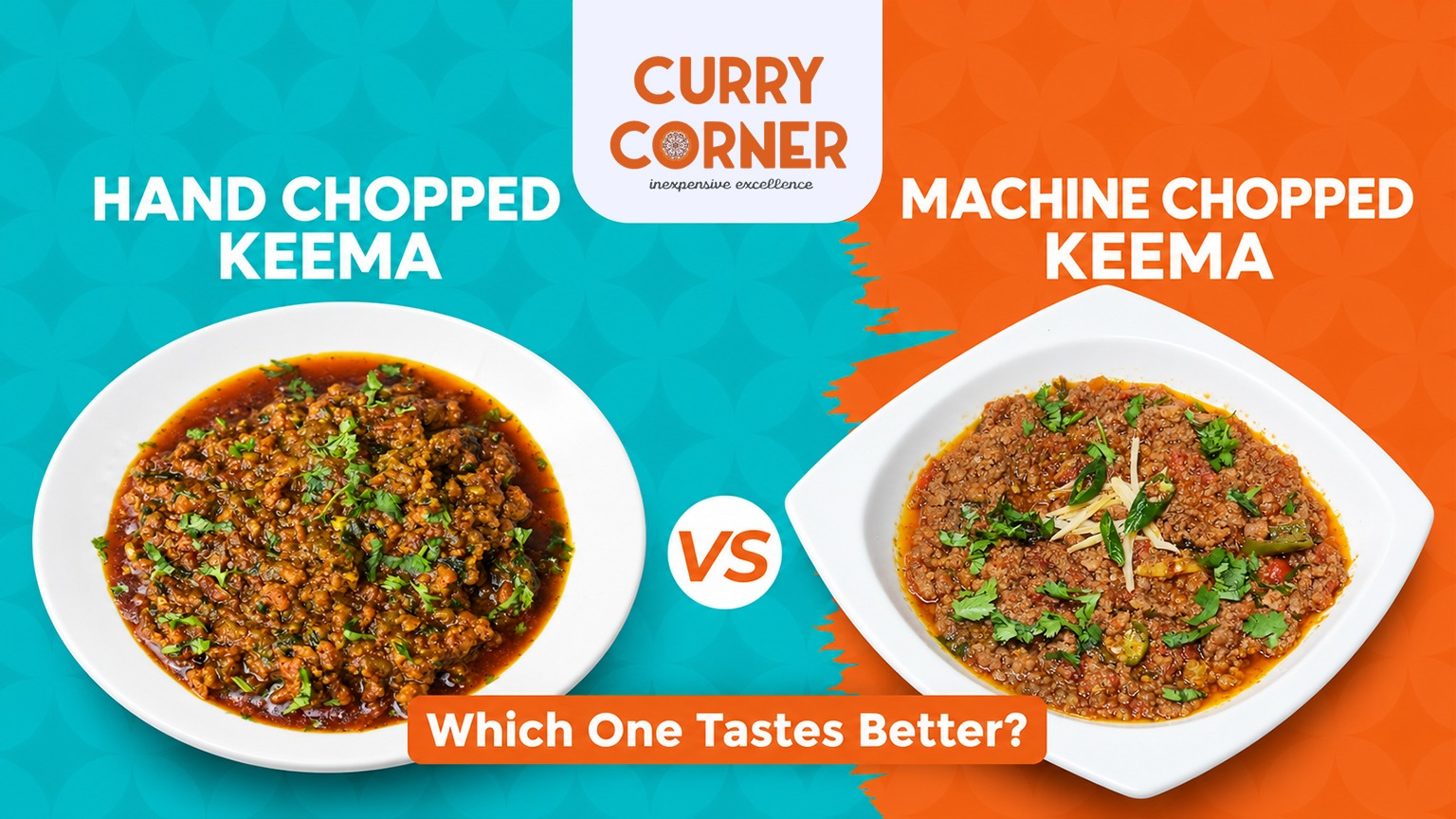
Classic South Asian cuisine has long been discussing the issue of whether traditional preparation methods provide better results when it comes to cooking. Preparing a tasty dinner for your family or choosing something tasty at Curry Corner , it is useful to know about the advantages of certain preparation styles to get the best texture and flavor from all meals. Choosing proper preparation styles makes any ordinary recipe become a true culinary masterpiece!
Choosing high-quality products is essential for getting the maximum satisfaction, amazing smells, and a truly unforgettable meal for you and your beloved family members. Proper cooking makes any meal become a true culinary feast.
What Is Qeema and Why Does the Chopping Method Matter?
Preparation method of minced meat vs chopped meat defines how the spices interact with proteins during the cooking process. Cooking aficionados often refer to the official Menu to learn about the regional specialities prepared with the great attention to the details. Understanding these differences helps people to choose the optimal cuts for ordinary and festive meals. Checking how fresh minced meat behaves when being heated gives an opportunity to prepare perfect traditional recipes.
Every preparation technique is essential for the final result, which is why proper choice is important for getting authentic taste and texture. Proper understanding of the basic techniques helps cooks to get excellent flavors in their traditional dishes.
What Does Hand Chopped Qeema Mean?
Manual preparation requires slicing and dicing meat using a sharp cleaver into fine pieces. Such an artisanal method keeps the original structure of the muscle without destroying cellular walls. It is preferable for home cooks because hand chopped qeema retains moisture very well during the hot cooking and gives amazing, rustic chew to every meal. Artisans feel proud of performing this traditional technique perfectly every day for their guests.
What Is Machine Minced or Ground Qeema?
The protein blocks are quickly processed by automated mechanical blades, giving uniform particles. Despite the convenience of this industrial method, mechanical friction is generated, increasing local temperature. Understanding how the heating of the grinder affects the moisture content helps to understand why the machine-processed qeema behaves differently in hot pans. Lots of home cooks use this uniform format for quick meals and appetizers. Busy families highly appreciate the extreme convenience it brings to everyday cooking, which makes the meal preparation easier and much more efficient.
Machine mincing brings distinct characteristics to your kitchen routine:
- Automated blades process protein blocks rapidly into uniform particles.
- Mechanical friction increases temperature, altering moisture retention levels.
- Grinder heat explains why machine-processed variants behave differently.
- Uniform format helps home cooks prepare quick weeknight meals.
- Busy families appreciate the speed and convenience it brings.
- Efficient scheduling makes everyday kitchen preparation much simpler overall.
Hand vs Machine Chopped Qeema: Key Differences Explained
Comparing the techniques of physical preparation shows how different is the process performed manually with cleaver from the automated mechanical grinding blades. Every patron will be able to understand how different preparation methods affect the overall moisture content and the satisfaction from the meals. Evaluating the meat to fat ratio gives information about which kind of meat is the most appropriate for specific cooking.
Careful evaluation of the physical preparation methods ensures the optimal results every time you cook delicious meals. Understanding these differences guarantees the perfect culinary results for your family events.
How Does Each Method Change the Structure of the Meat?
Cleaver blades slice muscle tissue, but mechanical screws tear and shear fibers violently. It means that there is a difference in the process of the protein extraction in the stage of kneading and mixing. Preserving the integrity allows keeping the natural juices locked in the individual particles. Therefore, the final dish gets the richer mouthfeel. Culinary experts always advise to pay attention to these vital structural changes to guarantee excellent flavor and texture.
Quick Comparison: Texture, Taste, Juiciness, Cost, and Prep Time
Evaluation of the pros and cons involves comparison of texture, flavor retention, moisture level and overall preparation effort. Artisanal processing requires lots of labor, which influences the final price at the local butcher shops. On the other hand, automated processing provides fast output in commercial and home kitchens. Balancing these factors guarantees a proper buying decision for the next recipe in order to provide maximum satisfaction, excellent culinary results, and wonderful flavor profiles.
Which Qeema Tastes Better, Hand Chopped or Machine Ground?
Many culinary discussions focus on the question of whether manual preparation provides better flavor profiles than automated processing. Many food enthusiasts want to know: Does hand chopped qeema taste better? The main point of such difference is the ability of the ingredients to absorb spices and keep the natural fats during the cooking process. Learning about qeema taste variations gives an insight into the distinctive features of this product that attract traditional connoisseurs.
Every single nuance of the traditional preparation methods makes the dinner unforgettable at home when using proper techniques. Choosing the premium products improves the overall flavor of your traditional recipes.
Why Does Hand Chopped Qeema Taste Meatier?
The ability to preserve natural juices lets the deep and savory notes come to the front without dilution and shrinking. The coarse texture reacts differently with the spices, giving the richer texture of the qeema during the simmering and frying process. Traditional food lovers always appreciate this authentic flavor depth in every bite. Paying attention to these subtle nuances of cooking guarantees the mouthwatering culinary experience that delights your guests, improves traditional recipes, and adds warmth to your dining table every evening.
Does Machine Grinding Affect the Flavor of Minced Meat?
Sometimes, mechanical processing may press out the natural fats prematurely, which changes the rich taste profile. As a result of excessive friction, delicate flavors lose their taste and give slightly flat culinary results. Understanding of these subtle changes in the chemical composition helps chefs to choose the right product for delicate spice blends. Careful evaluation of the temperature impact guarantees the excellent flavor retention, preventing taste loss during the preparation and providing the remarkably savory dish for every single guest.
Machine processing introduces several flavor-related changes during food preparation:
- Mechanical processing can press out natural fats prematurely, altering taste.
- Excessive friction diminishes delicate flavors, resulting in a flatter outcome.
- Subtle chemical changes help chefs choose products for spice blends.
- Temperature impacts require careful evaluation to ensure superior flavor retention.
- Undesirable taste losses are prevented during preparation by managing heat.
- Savory dishes are guaranteed for every single guest through careful control.
How Does Texture Differ Between Hand Cut and Ground Qeema?
Mouthfeel plays a significant role in how satisfying the traditional meat preparation is to the diners. Evaluation of coarse vs fine mince options helps to understand why some recipes need special preparation styles. Physical dimensions of each particle affect the sauce absorption and overall satisfaction from the meal.
Taking attention to these structural nuances guarantees the professional results in your kitchen when preparing traditional meals. The proper texture elevates every bite into the culinary experience.
Why Hand Chopped Qeema Has a Coarser, More Rustic Bite
Pieces cut manually with the cleaver give the distinct and satisfying chunks that provide the wonderful chew and robust texture. Such structural characteristics make it perfect for recipes where individual particles of meat should be evident. Rustic texture elevates the traditional recipes with authentic textural diversity. Food enthusiasts appreciate how unique consistency stays intact during the long simmering, letting rich spices and savory aromas penetrate every delicious bite without losing its original structure.
Why Machine Minced Qeema Feels Softer and Pastier
Automated blades tear down the connective tissues completely, creating smooth and uniform paste. Such a fine texture works perfect for the smooth kebabs where binding agents should be distributed uniformly. Professional kitchens frequently utilize this consistent texturing to achieve predictable results, ensuring every single batch meets rigorous standards for tenderness, appearance, and ease of shaping during high-volume meal preparation.
Is Hand Chopped Qeema Juicier Than Machine Minced Meat?
Moisture retention remains a top priority when cooking lean or mixed cuts in open pans. Many cooks ask: Why does qeema become dry? The answer often connects directly to mechanical processing damage and moisture loss. Preserving internal hydration ensures succulent and tender final results.
Selecting the right preparation method prevents unwanted dryness during extended cooking sessions for your favorite recipes. Proper moisture control is the hallmark of skilled culinary execution.
How Grinder Heat and Friction Affect Moisture
Friction generated by spinning metal blades warms the protein matrix, causing premature moisture release. This thermal effect forces valuable juices out before cooking even begins, leading to drier textures. Managing thermal impact is crucial for maintaining optimal succulence in your dishes. Keeping meat chilled throughout any automated preparation phase helps minimize unwanted heat buildup, preserving valuable natural fluids and ensuring a much juicier finished meal for everyone.
Why Cleanly Cut Meat Fibers Hold More Juice
The sharp manual blades cut through muscle fibres in a clean cut, leaving cell walls intact so that natural liquids are retained. These trapped juices slowly leak out during cooking and are responsible for the outstanding moisture retention of each bite. This natural advantage makes it a popular choice for gourmet dishes. With the careful application of traditional cutting methods, flavor compounds are not lost during processing, resulting in an exceptionally juicy, tender and pleasurable culinary experience for every family function.
Cooking Results: How Each Type of Qeema Performs in the Pan
Observing how different preparations react to direct heat helps home cooks master traditional bhuno techniques. Diners checking the seasonal Tempe Menu often appreciate how proper pan performance transforms humble ingredients into culinary masterpieces. Achieving deep, golden browning requires careful management of released liquids and pan temperatures. Proper technique ensures rich caramelization and intense savory depth.
Mastering pan performance elevates your everyday cooking to professional standards effortlessly through mindful heat regulation. Careful observation during cooking guarantees exceptional flavor development.
Which Qeema Browns Better When Bhunoing?
Artisanal coarse cuts are great for browning minced meat as they release moisture in a controlled fashion. This controlled release enables the critical maillard reaction to take place quickly leading to good color and flavor development. This caramelization is vital to all South Asian curries. Food enthusiasts advise paying careful attention to the heat applied during this important stage of the searing, to get those gorgeous golden-brown crusts on each and every yummy bite without burning.
Why Machine Ground Qeema Clumps and Releases More Water
The fine particles are tightly packed, holding the water vapor and releasing the water from the inside in one shot. This is because of the sudden influx of liquid that causes the meat to boil in its juices instead of frying properly. It takes patience and exacting heat control to get rid of this excess moisture. Pros use higher temperatures on their burners or smaller quantities to get a good amount of evaporation which results in a deliciously golden sear when they cook instead of an unintended steamed texture.
This moisture behavior directly impacts how the meat cooks in your pan:
- Fine particles pack tightly together, trapping steam and expelling water.
- Sudden liquid release causes meat to boil instead of frying.
- Excess moisture management requires patience and precise heat regulation.
- Higher temperatures or smaller batches encourage faster and better evaporation.
- Rapid boiling prevents the desired golden sear from forming properly.
- Textured cooking avoids an unintended and soggy steamed texture outcome.
Best Uses in Recipes: Matching the Qeema to the Dish
Selecting the correct preparation style for specific recipes ensures authentic culinary results every single time. Exploring our regional Menu provides wonderful inspiration for pairing proteins with the right spice combinations. Whether you need the best qeema for seekh kebab or a robust curry, matching texture matters. Understanding these pairing principles empowers you to cook like a seasoned professional.
Every traditional recipe shine when paired with its ideal meat consistency and flavor profile. Thoughtful recipe matching guarantees complete satisfaction at your dining table.
Which Qeema Is Best for Seekh Kebabs?
For skewered kebabs, the binding qualities and strength of the meat are crucial because if not, the kebabs will fall apart when grilled. The question that comes to the mind of many cooks is which qeema is the best for kebabs? Finely processed variants are used to give a smooth paste for good adhesion. Grill masters use it because it gives your yummy grilled creations the same uniformity it is needed for. It is a uniform manner that ensures that your spices and binding elements do not come loose from your grilled creation while being cooked over open flames.
Should You Use Hand Chopped Qeema for Chapli Kebabs?
If you’re looking for a true bite, you’ll want to use textured, coarse ingredients when making flat, disk-shaped patties. The trick to the best qeema for chapli kebab is really the presence of meat chunks. This rustic uniformity proves to be unparalleled in authenticity and aesthetic. These are the traditional traits sought by guests dining in our dining room, and those who venture into our extensive Gilbert Menu can easily see how every bite can be enhanced by traditional preparation during family occasions.
Best Qeema for Keema Matar, Aloo Keema, and Everyday Curries
Traditional gravy-based curries benefit immensely from robust, textured pieces that absorb aromatic spices thoroughly. Selecting quality ingredients ensures satisfying meals that delight your entire family. Procuring fresh qeema from trusted local sources guarantees optimal flavor, authentic texture, and a wonderful dining experience every single time you cook. Careful planning and attention to detail during ingredient selection always reward the home cook with exceptional results that impress everyone at the dinner table.
Conclusion!
Embarking on a delightful culinary journey through authentic plant-based and traditional meat dishes elevates everyday dining into something truly special and memorable today. We genuinely hope you feel deeply inspired to explore new global tastes, savor rich comforting aromas, and share wonderful moments with your family and cherished friends. Please Contact us right away today to easily reserve your table, inquire about daily house chef specials, or plan your next memorable and exciting celebration gathering with us!
Frequently Asked Questions
Yes, hand chopped qeema often tastes better because its coarse texture and intact muscle fibers retain natural juices and rich flavors more effectively during traditional slow-cooking methods.
Hand minced meat works exceptionally well for rustic patties like chapli kebabs, while machine-minced meat is often preferred for smooth seekh kebabs that require strong binding properties.
Mixing both types is possible if you want a balanced texture, though cooking times may vary slightly due to the differing surface areas and moisture release rates of each cut.
Fresh qeema should be stored in the coldest part of your refrigerator and typically remains safe and optimal for cooking within one to two days maximum.
Machine minced qeema is generally easier for beginners because it cooks evenly, requires no special knife skills, and blends seamlessly with standard spice mixtures and aromatics.