Slow-cooked dishes are one of the great culinary joys in South Asia, particularly Pakistani classics Nihari and Haleem, as a traditional Pakistani dish. Both boast centuries of history, numerous spices, and hold special cultural significance in Pakistan; yet selecting between them could prove daunting due to their varied flavors and textures – so let’s learn all we can about these incredible meals before choosing our favorites!
Nihari vs Haleem: What’s the Difference?
At any buffet-style Pakistani cuisine event, discussions about Nihari and Haleem typically arise among food enthusiasts. Though both dishes are beloved among food lovers alike, these two specialities vary considerably in structure and cooking process: Nihari is a meat-based and bone marrow infused stew thickened lightly with wheat flour while Haleem is made with grains, lentils, meat and is thicker due to blending techniques; thus creating two completely distinct tastes and textures; let us look closely at their key differences using key ingredients, textures, preparation methods etc. You can also explore our authentic options directly on the Gilbert Menu.
Nihari vs Haleem: Quick Comparison
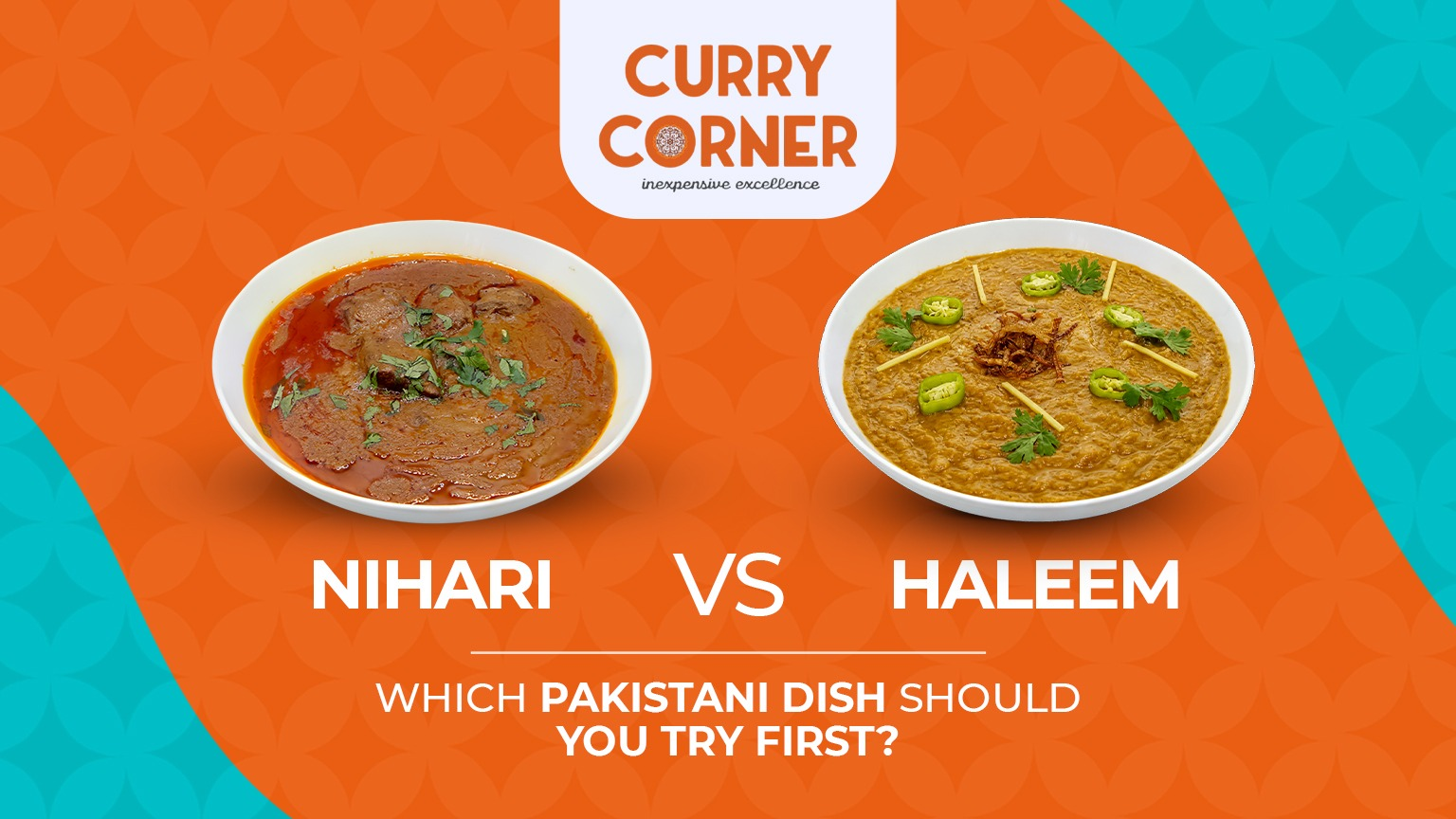
First of all, there are some evident differences when comparing these dishes side by side. Nihari is famous for its spicy, fluid consistency with a topping of hot chili oil. In turn, Haleem features an extremely thick consistency and smooth texture with slightly more gentle and earthy flavor profile created with slow-cooking of grains. While Nihari contains chunks of meat that melt in the mouth, Haleem includes finely shredded meat blended with lentil base into an absolutely homogenous mixture.
- Base Consistency: Nihari features a fluid, broth-like gravy, whereas Haleem is thick and porridge-like.
- Primary Starches: Nihari uses a light wheat flour slurry, while Haleem uses a heavy blend of wheat berries, barley, and lentils.
- Meat Presentation: Nihari contains distinct, tender chunks of bone-in shank, whereas Haleem has fully shredded, blended meat.
Taste, Ingredients, and Texture Differences
Flavors vary substantially due to the preparation process for these dishes; Nihari stands out with an intense and flavorful rich meat gravy packed full of bone marrow, while Haleem creates a more subtle nutty balance using lentils with slowly-cooked meat or chicken for its protein source. Thus, each offers different experiences to customers; Nihari allows diners to indulge in juicy chunks of meat served up in flavorful broth while Haleem offers heartier and thick consistency that make eating it quite an immersive experience.
What Is Nihari?
Nihari is an exceptionally flavorful meat-based and spiced gravy stew with origins in royal kitchens of the Mughal Empire, often served as a traditional breakfast as part of Pakistani and North Indian cuisine. In Arabic, its name translates to morning Nihari; today, however, this popular and beloved breakfast option can also be seen served at family parties, festive events or simply weekends as an amazing start of your day! This delicacy’s popularity makes it one of the top requests at family celebrations or simply on weekends due to its exquisite taste! Nihari can even become part of traditional Pakistani and North Indian cuisine as one of their beloved and well-loved breakfast dishes due its delicious taste – often as part of North Indian and Pakistani dishes known for serving up delicious meals like these or this classic.
What Does Nihari Taste Like?
Nihari provides an exceptionally flavorful dish which delights meat enthusiasts from its first bite. The stew features tender beef pieces slow simmered with aromatic spices like ginger, fennel and long pepper for maximum deliciousness and rich natural fat content of meat; fresh lemon juice, julienned ginger strips and green chilies can balance this out beautifully creating an unforgettable taste experience!
Traditional Nihari Ingredients
Nihari requires using only high-grade meat and spices with an exquisite scent in order to achieve authenticity. The key ingredient of authentic Nihari is beef shank or bone-in lamb with marrow as its central element; then there are onions, garlic, ginger with slight thickening via wheat flour added as its foundation; red chili powder, turmeric coriander aniseed are key spices, while garnishes such as cilantro green chillies slices or julienned ginger complete its exquisite presentation.
Why Is Nihari Cooked Slowly?
Slow cooking is the secret of the legendary status and rich flavor of this dish. Slow simmering of the meat and bone marrow for 6-8 hours allows to extract all the tough collagen from the meat into the broth. Such process of the extraction of marrow and spices provides an exceptionally tender meat that melts in the mouth with the help of aromatic spices’ essence.
What Makes Nihari Rich and Flavorful?
The richness of Nihari mainly comes from slow extraction of bone marrow and the generous use of ghee. During the process of slow cooking of the stew, marrow melts into the broth and makes its naturally glossy and thick texture without any heaviness. Luxurious fat absorbs the intensity of spices making them evenly distributed in the stew. The result is a deeply savory and rich gravy for tender beef chunks.
What Is Haleem?
Haleem is an internationally celebrated, hearty stew made up of grains, lentils and meat that originated in Middle Eastern cuisine; but once in South Asia was greatly altered. Haleem became popular as one of Pakistan’s Ramadan and Muharram dishes respectively. To create authentic Haleem requires patience as constant stirring needs to occur for optimal texture; at last however the final result provides complex carbs, protein sources as well as spices in one delicious package! You can check our full selection on the Menu to taste it fresh today.
What Does Haleem Taste Like?
This exquisite dish boasts the ideal balance between creamy texture and subtle warmth that feels like a hug, created using cumin, coriander and turmeric spices; whole-grain ingredients adding subtle sweetness; crispy fried onions add depth of complexity while fresh cilantro brings zesty warmth for every bite of this flavorful treat!
Traditional Haleem Ingredients
Haleem requires an abundance of grains, pulses and proteins from different sources – specifically wheat berries, barley, lentils like split chickpeas or yellow lentil mung beans as the foundation, boneless beef or poultry cooked until shredding effortlessly are the proteins source; additionally ghee, caramelized onions garlic ginger as well as robust spices are combined into one cohesive, nutritious masterpiece over hours and hours of slow simmering time.
Why Is Haleem Thick and Smooth?
Haleem achieves its velvety texture through an intensive cooking and mashing process that involves simmering grains, lentils and meat for hours until all their starches break down completely. Cooks typically use large wooden paddles to continuously stir this paste-like consistency until reaching an uniform, paste-like state – an efficient technique which transforms this hearty Pakistani dish into the soothing velvetiness we all seek after an exhausting day at work!
Nihari vs Haleem: Which Is More Flavorful?
Your tastebuds and cravings should ultimately determine which traditional dish is more flavorful; both offer incredible depth of taste in their own distinct ways; one provides an intense spicy experience that wakes you up fast while the other features more subdued, earthy comfort that warms from within. Understanding which you prefer best will be key when choosing between them all; let’s compare their spice levels, overall flavors, notes, textures and more here!
Spice, Flavor, and Texture
Nihari delivers immediate and assertive flavor thanks to its spicy chili oil, pungent ginger root and luxurious bone marrow broth; while Haleem offers more subtle combinations between earthy grains and delicate meat shreds for subtle yet deeply comforting warmth. Nihari takes home top honors when it comes to bold spices combined with silky rich textures; Haleem wins when it comes to ultimate comfort food dishes!
- Spice Intensity: Nihari features a sharper chili kick, while Haleem keeps spices warm and balanced.
- Aromatics: Nihari highlights fennel and ginger notes; Haleem leans into cumin and garam masala harmony.
- Mouthfeel: Nihari feels glossy and fluid on the tongue, whereas Haleem provides a dense, velvety coating.
Nihari vs Haleem: Which Is Healthier?
Beef Stew or Spaghetti Bolognese can both provide essential nutritional components, but when considering their health benefits it’s key to understand individual ingredients and nutritional profiles. Both dishes offer satisfying meals packed with essential nutrients but serve different dietary purposes; one contains animal fats, collagen and dense proteins for quick energy boosts but high calories; while the latter provides complex carbs, plant fibers and lean proteins – whether seeking heavy meals that satisfy or lean sources, understanding nutritional profiles helps make informed dietary decisions!
Nutrition and Protein Comparison
Nihari provides high protein levels from bone marrow as an abundant source of energy and essential dietary fats; Haleem offers lean meats combined with complex carbs from lentils and whole grains as a balanced release of energy with exceptional fiber benefits – perfect for supporting active, healthy lifestyles when consumed thoughtfully as part of a well-rounded diet plan. Both choices easily support an active, healthy lifestyle when eaten regularly!
Serving Size and Nutrition
Portion control and preparation methods play a vital role in the nutritional impact of traditional stews, like curry or lamb tikka masala. Given their heavy reliance on fat-laden ghee or cooking oil, serving size can play an especially vital role when trying to meet daily calorie goals. Enjoying moderate portions along with fiber-rich whole wheat flatbreads allows diners to easily take in maximum protein and essential nutrients in an environment-safe way while satisfying personal wellness objectives at the same time! Understanding this dynamic pairing helps diners fully appreciate these cultural staples while successfully meeting personal wellness objectives successfully while staying true to personal wellness goals set.
What Should You Eat With Nihari and Haleem?
No traditional Pakistani meal would be complete without its accompanying array of side dishes, freshly baked breads and colorful garnishes. Each side dish adds important layers of texture, acidity and crunch; fresh herbs, citrus or spicy chilies provide that necessary balance – cutting through rich meat-and-ghee-laden dishes while simultaneously offering bright fresh notes from its accompaniments & toppings & creating the ultimate dining experience! Knowing exactly which items go together ensures an authentic yet enjoyable flavor profile and experience; pairing deep slow cooked slow cooked notes with bright fresh and zesty toppings ensures maximum enjoyment from both aspects!
Breads, Toppings, and Sides
Accomplishing these stews to their highest degree requires pairing it with appropriate accompaniments that heighten your experience of eating them. Both dishes are often served alongside freshly baked clay-oven Taftan bread for scooping up rich gravies; garnishes such as lemon juice (freshly squeezed lemon), slices of green chilies, julienned ginger strips or, in Haleem’s case, golden crispy fried onions sprinkled with Chaat masala can add even more crunchiness and depth of taste!
Where to Eat Nihari and Haleem in Tempe
Arizona provides food lovers living or visiting its borders an incredible culinary opportunity: satisfying cravings for complex stews prepared slowly is made simple! Be it spicy marrow-rich soup or hearty lentil porridge; knowing exactly where to look on our Tempe Menu ensures authentic, time-honored recipes prepared with care using authentic spices with real cultural pride are readily available here.
Pakistani Nihari and Haleem in Tempe
Finding authentic South Asian comfort food in Arizona has never been simpler for fans of South Asian cuisine! Curry Corner of Tempe stands out as the premier spot for Pakistani delicacies made with imported spices – be it slow-simmered beef stew with rich marrow broth or velvety, grain-rich lentil porridge – the unique heritage flavors delivered straight to your table make this local eatery standout as one of Arizona’s premier destinations for authentic South Asian dining experience! Experience it now and taste some of Arizona’s best South Asian dining!
What Pakistani Dishes Should You Try at Curry Corner?
Curry Corner in Tempe offers more than Nihari and Haleem. Their menu boasts authentic Pakistani and South Asian delicacies designed to please even the pickiest palates. Start off your culinary experience at Haleem with their classic slow-simmered beef shank packed with rich marrow and aromatic spices, or experience their traditional Haleem for something truly velvety with a protein-packed blend of meats, wheats and lentils! Additional to their amazing tandoori specialties, their menu offers delicious tandoori specialties such as perfectly grilled and smoky chicken dishes paired with fresh naan bread; along with rich, creamy butter chicken dishes as well as chicken tikka masala curries that offer both spice and comfort food fans a taste experience to remember!
The End Note!
To conclude, choosing between Nihari and Haleem ultimately comes down to whether you prefer a fiery, marrow-infused meat broth or a thick, comforting grain-and-lentil porridge. Both dishes represent the absolute pinnacle of traditional South Asian slow-cooked comfort food, carrying centuries of rich cultural heritage and unforgettable flavors. Whether you decide to cook these masterpieces at home or experience them fresh at your favorite local spot, each bite delivers a remarkable journey of spices and warmth that will keep you coming back for more. Feel free to Contact us today if you have any questions or want to plan your next visit!
Frequently Asked Questions
No, they are completely different traditional meals. Nihari is a fluid, meat-heavy marrow broth, whereas Haleem is a thick, blended porridge made from grains, lentils, and shredded meat.
While its roots trace back to the Mughal royal kitchens, Nihari is widely celebrated today as a beloved national culinary staple and a popular weekend breakfast delicacy across Pakistan.
Traditional Nihari is prepared using bone-in beef shank or lamb cuts. These specific parts are chosen for their high bone marrow content, which melts completely to create deep savory richness.
Yes, Haleem holds immense cultural significance during Ramadan. Its nutrient-dense combination of complex carbohydrates and proteins makes it a favorite choice for providing sustained energy and wholesome nourishment at sunset.
Authentic Haleem is crafted from a slow-cooked blend of wheat berries, barley, and various lentils combined with tender, shredded beef, mutton, or chicken to achieve a smooth, velvety consistency.